
Quick Tour Summary (TL;DR)
- Prime Experience: Explore authentic West Bank villages, banana plantations, and ancient desert dunes away from crowded tourist buses.
- Ideal Timing: Sunrise (cool breeze & quiet paths) or Golden Hour Sunset (dramatic desert views).
- Choosing Your Ride: Select Horseback Riding for dynamic movement and desert runs, or Camel Tours for a relaxed, elevated cultural trek.
- Typical Duration: Ranging from 1-hour local village trips to multi-day equestrian holiday packages.
The Ultimate Guide to Horse & Camel Riding in Luxor’s West Bank
Exploring Luxor by traditional tour bus gives you a glimpse of ancient history, but traversing the West Bank on horseback or camel allows you to truly feel the rhythm of Egypt. From lush agricultural fields along the Nile to dramatic desert vistas near ancient monuments, outdoor riding tours offer an immersive, authentic cultural perspective that few visitors ever experience.
Whether you are looking for a relaxed camel ride through authentic villages or an exhilarating gallop across desert sand dunes, this guide covers everything you need to know to plan the perfect riding adventure in Luxor.
Why Experience Luxor’s West Bank on Horseback or Camel?
The West Bank of Luxor—historically known as the city of the dead and home to the Theban Necropolis—is a unique blend of vibrant rural farmland and timeless desert terrain. Choosing an equestrian or camel trek delivers several distinct advantages:
- Access to Hidden Paths: Navigate quiet agricultural lanes, local banana groves, and mountain paths unreachable by cars or buses.
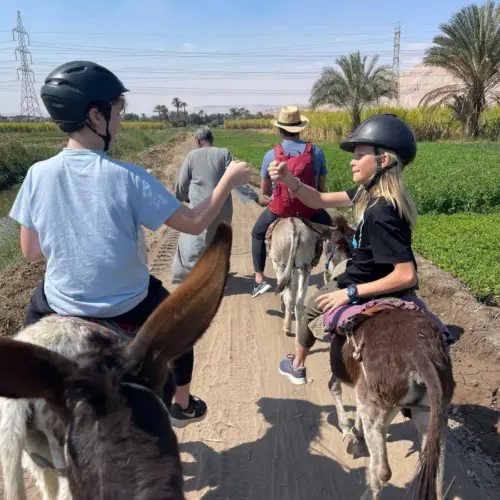
- Authentic Cultural Connection: Ride past Gezira Village and traditional rural settlements, observing local agricultural practices and friendly local life up close.
- Unmatched Photographic Angles: Capture panoramic views of the West Bank mountain range, desert dunes, and historical sites illuminated by natural light.
Horse Riding vs. Camel Riding: Which Experience Suits You Best?
Both horses and camels hold a rich heritage in Egyptian tradition, but they offer distinct riding dynamics. Use the comparison below to pick the best option for your group:
| Feature | Horse Riding | Camel Riding | Donkey Treks |
|---|---|---|---|
| Pace & Feel | Dynamic, responsive, fast-paced | Swaying, gentle, relaxed | Steady, humble, slow |
| Best Terrain | Desert dunes & open trails | Village paths & sand dunes | Narrow village lanes & fields |
| Best For | Active riders & thrill seekers | Families, photography, beginners | Culture enthusiasts & children |
| Recommended Duration | 2 to 4 Hours | 1 to 3 Hours | 1 to 2 Hours |
Horseback Riding in Luxor
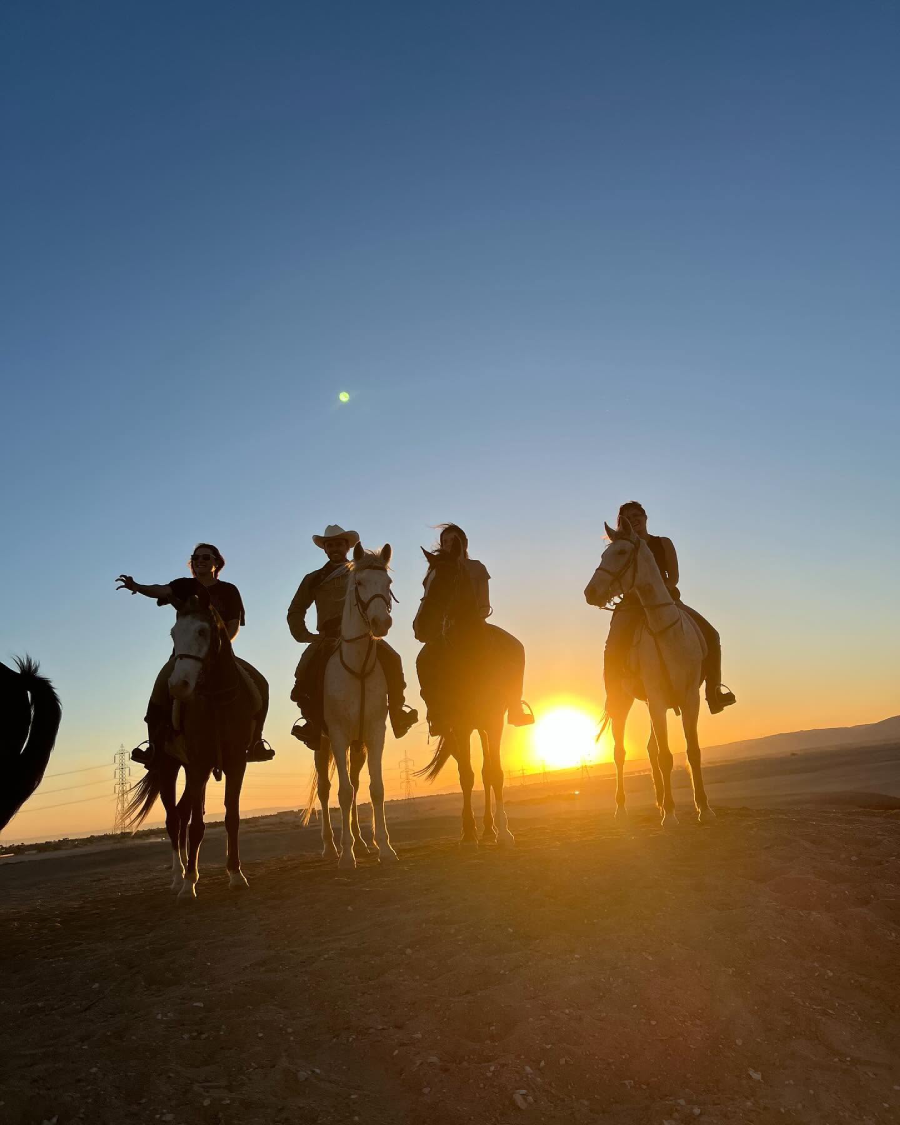
Our experienced Arab and cross-bred horses are nimble, well-trained, and highly responsive. On a horse riding tour in Luxor, experienced riders can enjoy controlled trots and gallops across wide-open desert plains, while beginners can enjoy calm, guided walks along countryside paths.
Camel Riding in Luxor
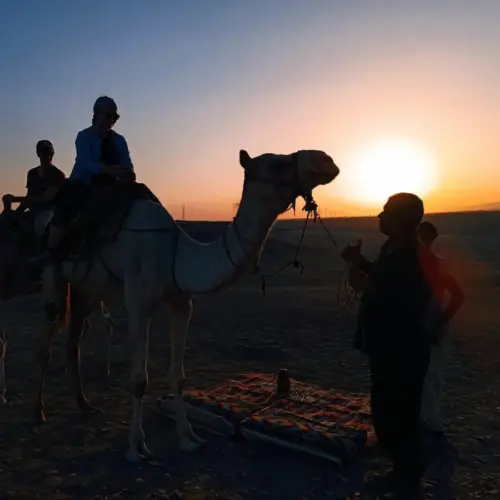
Known as the “ships of the desert,” camels offer a high vantage point perfect for taking photos. A camel ride on the West Bank is relaxing, fun, and ideal for families, couples, and first-time travellers looking for an iconic Egyptian experience.
Popular Riding Trails & Routes on the West Bank
1. Nile & Local Village Trail (1 to 2 Hours)
This route takes you winding through quiet agricultural communities, date palm groves, and sugar cane fields. You’ll pass friendly local farmers and ride near the peaceful banks of the Nile. Check out the 1-Hour Nile & Local Village Camel Tour for a quick, charming taste of rural life.
2. Desert & Mountain Sunset Trail (2 to 3 Hours)
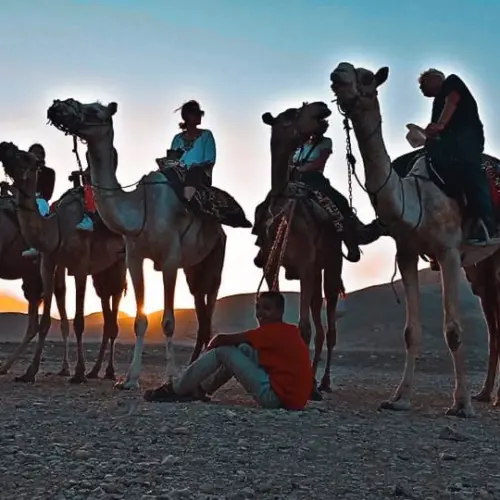
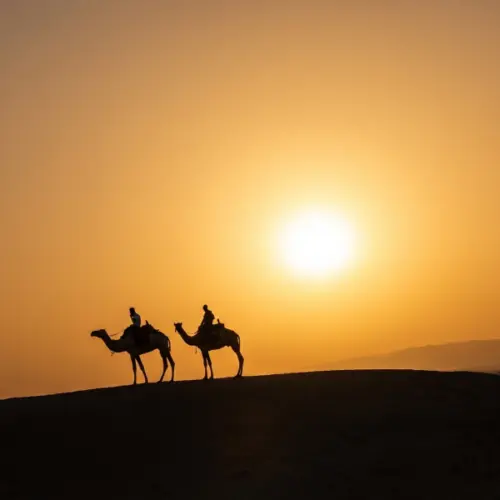
Head past the edge of the green farmlands directly into the sandy dunes of the Luxor desert. This trail ascends elevated ridge lines that overlook the West Bank mountain range as the sun sets over the horizon. The popular 2-Hour Desert & Sunset Camel Trail offers an unforgettable golden hour backdrop.
3. Countryside & Temple Trails (Medinet Habu Area)
Combine rural tranquility with monumental history. This trail leads riders along the perimeter of ancient monuments like Medinet Habu temple, providing dramatic views of historical architecture against the natural rural landscape. Try the 2-Hour Countryside & Habu Temple Horse Tour for an ideal balance of nature and history.
What is the Best Time for a Riding Tour in Luxor?
Due to Upper Egypt’s warm climate, timing your ride is essential for comfort and optimal lighting:
- Sunrise Rides: Cool morning air, calm riding paths, and gentle light rising over the Nile. Perfect for beating the midday heat.
- Sunset Rides: The iconic “Golden Hour.” Watch the sky turn shades of orange and pink over the desert dunes and West Bank peaks.
Essential Tips for First-Time Riders
- Dress Comfortably: Wear breathable long trousers (tights or jeans) to prevent saddle chafing. Closed-toe shoes or sturdy sneakers are required.
- Sun Protection: High-SPF sunscreen, sunglasses, and a lightweight scarf or hat are recommended.
- Animal Welfare Matters: Choose stables that prioritize healthy, well-fed, and ethically cared-for animals. At Luxor Stables, our animals are family members, receiving regular veterinary checks, spacious resting paddocks, and plenty of love.
Frequently Asked Questions
Q: Is prior riding experience necessary?
A: Not at all! We match each guest with an animal suited to their skill level, and our attentive local guides accompany you throughout the entire journey.
Q: Can children participate in horse or camel rides?
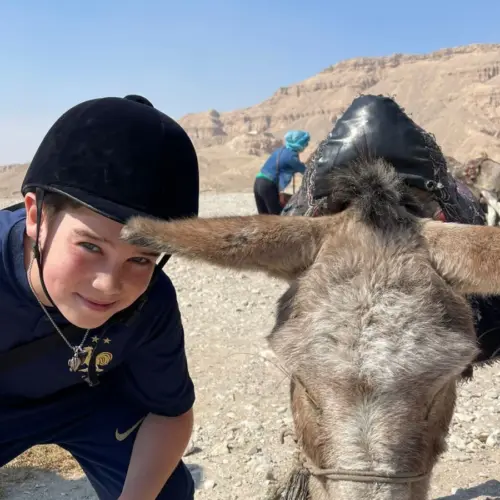
A: Yes! Children love our gentle camels and calm horses. Younger riders can also enjoy our dedicated donkey riding tours for an extra fun, steady experience.
Q: What is included in a tour package?
A: Most tours include professional local guides, well-maintained riding gear, fresh water, and optional hotel transfers across Luxor’s East or West Banks.
Ready to Explore Luxor Beyond the Temples?
Whether you want a short sunrise stroll or a comprehensive equestrian holiday, we are ready to craft your ideal trail.

Comments are closed